When crafting a fictional character, building a new game world, or simply exploring a fascination with global cultures, few details carry as much weight and potential for authenticity as a name. For anyone venturing into the rich tapestry of East Asian cultures, finding a name that resonates with genuine Japanese, Chinese, or Korean traditions can feel like navigating a beautiful, intricate labyrinth. This is precisely where East Asian Name Generators (Japanese, Chinese, Korean) step in, transforming a daunting task into an accessible, even enjoyable, creative journey.
These aren't just simple randomizers; the best East Asian name generators are sophisticated tools designed to infuse your creations with cultural depth and linguistic accuracy. They bridge the gap between inspiration and authenticity, helping you avoid common pitfalls and ensuring your chosen name carries the appropriate weight and meaning.
At a Glance: What You’ll Discover About East Asian Name Generators
- Cultural Depth: Learn how these tools go beyond simple randomness to offer names rooted in real East Asian linguistic and naming conventions.
- Tailored for You: Understand the options to customize names by culture (Japanese, Chinese, Korean, etc.), gender, and even specific meanings or historical periods.
- Beyond Characters: Explore generators designed for everything from character names in manga and novels to names for fictional towns and fantasy settings.
- The Power of AI: See how advanced AI-powered generators offer unprecedented accuracy, meaning insights, and customization features.
- Practical Guidance: Get step-by-step advice on how to use these generators effectively, evaluate results, and ensure your chosen name is a perfect fit.
- Avoiding Pitfalls: Learn common mistakes to sidestep, ensuring your names are respectful, authentic, and impactful.
Why Authenticity Matters: More Than Just a String of Syllables
A name is rarely just a label; it's a whisper of identity, a echo of heritage, a projection of character. In East Asian cultures, names are particularly rich with meaning, often reflecting family lineage, aspirations, birth circumstances, or even poetic imagery. Using an inauthentic or poorly chosen name can, at best, break immersion in your story or world, and at worst, be seen as disrespectful or comical to those familiar with the culture.
Imagine a Japanese character named "Kirei" (meaning "beautiful") who is depicted as gruff and unkempt, or a Chinese character with a surname typically reserved for imperial families but used without context. These discrepancies, while seemingly minor, can undermine your creative work. East Asian name generators exist to prevent such missteps, providing a grounded starting point for genuine representation. They help you craft characters or settings that feel lived-in and real, regardless of whether your audience has deep cultural knowledge.
The Fabric of Identity: Understanding East Asian Naming Conventions
Before diving into how generators work, a brief understanding of traditional naming structures across Japan, China, and Korea is invaluable. This context empowers you to make more informed choices when using a generator.
Japanese Names: Elegance, Meaning, and Kanji
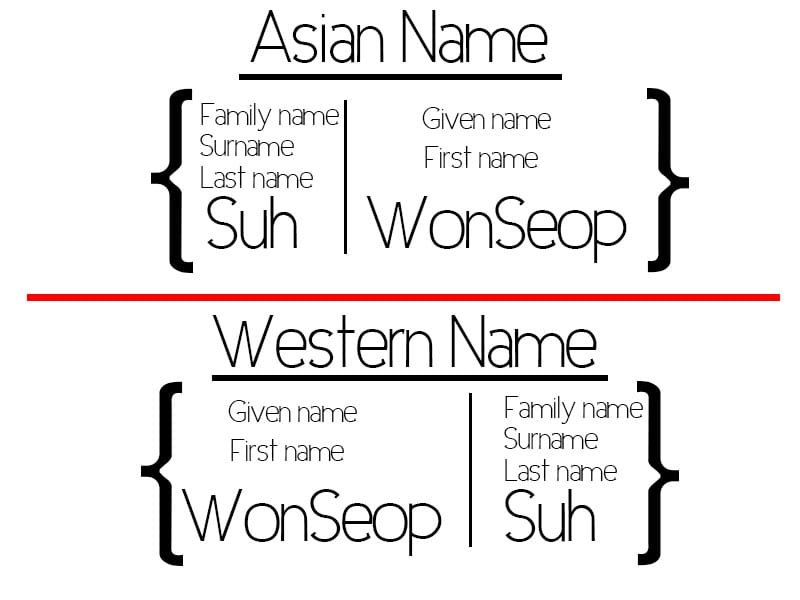
Japanese names typically consist of a family name (surname) followed by a given name. However, in Western contexts, they are often presented as given name, then family name. The beauty of Japanese names lies heavily in the use of Kanji characters, which are ideograms borrowed from Chinese. A single pronunciation can have multiple Kanji spellings, each carrying a different meaning.
- Structure: Family Name (e.g., Tanaka) + Given Name (e.g., Hiroshi).
- Gender Distinction: While many given names are clearly masculine or feminine, some can be unisex.
- Meaning: Meanings are deeply embedded in the chosen Kanji. "Sakura" (cherry blossom) for a girl evokes beauty and transience; "Kenji" (strong second son) for a boy suggests strength and order.
- Popularity: Trends in Kanji usage and specific name combinations change over time, much like in Western cultures.
Chinese Names: History, Harmony, and Four Characters
Chinese names are perhaps the most traditionally structured and rooted in lineage. They almost always consist of a single-character surname followed by a one or two-character given name. The given name often carries auspicious meanings or reflects natural elements.
- Structure: Surname (e.g., Li) + Given Name (e.g., Wei, meaning "great, powerful," or Meilin, meaning "beautiful jade"). Most common is a single-character surname and a two-character given name (e.g., Wang Xiaoming).
- Gender Distinction: While some characters are more commonly used for one gender, many are gender-neutral. Often, the combination of characters implies gender.
- Meaning: Given names are chosen for their positive meanings, often related to prosperity, beauty, strength, or nature.
- Generation Names: Historically, extended families sometimes shared a character in their given name that indicated their generation, though this practice is less common today.
- Pinyin: Chinese names are typically romanized using Pinyin, which helps Westerners pronounce them.
Korean Names: Family First, Poetic Given Names
Korean names share some structural similarities with Chinese names, featuring a family name followed by a given name, typically two syllables. Many family names are quite common (Kim, Lee, Park), making the given name crucial for individual identity.
- Structure: Family Name (e.g., Kim) + Given Name (e.g., Ji-woo, a popular unisex name, or Min-joon for a boy, meaning "clever, talented, handsome").
- Gender Distinction: Like Chinese, some characters are strongly associated with one gender, while others are more flexible.
- Meaning: Given names are often chosen for their aesthetic quality and auspicious meanings, frequently using Sino-Korean characters (Korean pronunciation of Chinese characters).
- Hangul & Hanja: While written in Hangul (the Korean alphabet), the meanings of many traditional names come from Hanja (Chinese characters).
- Generation Names: A common practice is for siblings in a family to share one character in their two-character given name, similar to Chinese generation names.
Understanding these foundational differences highlights why a generic name generator simply won't cut it. You need tools that appreciate and replicate these cultural nuances.
East Asian Name Generators: The Magic Behind the Algorithms
So, how do these generators work their magic? They leverage a combination of extensive databases, linguistic rules, and increasingly, artificial intelligence to produce names that are not just random, but culturally coherent.
At their core, East Asian name generators operate by compiling vast lists of authentic surnames and given names from specific cultures. More sophisticated ones then apply rules:
- Surname-Given Name Pairing: They know the correct order and common pairings (e.g., which given names sound natural with which surnames in a particular culture).
- Gender-Specific Selections: Based on user input, they filter for names commonly associated with male, female, or gender-neutral identities within that culture.
- Linguistic Constraints: They understand phonetic flow and syllable counts common to each language. A Japanese generator won't produce a name that sounds distinctly Korean, for instance.
- Meaning Integration: The best generators link names or character combinations to their traditional meanings, allowing users to select names based on desired traits or symbolism.
The Rise of AI-Powered Generators: A New Frontier in Authenticity
The current generation of Asia name generator tools, particularly those powered by AI, have taken this process to an entirely new level. They don't just pick from lists; they learn from vast corpuses of existing names, cultural texts, and linguistic patterns.
Consider a generator like the "Asian Name Generator" described in our research. This AI-driven tool exhibits several key capabilities that elevate it far beyond older, simpler randomizers:
- Learning Cultural Contexts: AI models can discern subtle patterns in name evolution, regional variations, and historical naming trends. This allows them to suggest names that feel "right" even if they're unique combinations.
- Dynamic Customization: Instead of static options, AI can adapt its generation based on complex parameters you provide: "give me a traditional Japanese female name signifying strength," or "a modern Korean gender-neutral name with a nature theme."
- Meaning Inference and Explanation: AI can process the meanings of individual characters (Kanji, Hanja) and even infer the combined meaning or traditional connotations of multi-character names, providing detailed insights that are invaluable for context.
- Error Prevention: By understanding naming conventions and avoiding common pitfalls (like inappropriate character combinations or non-existent names), AI ensures a higher degree of cultural accuracy validation.
These capabilities mean that AI generators can produce not just a list of names, but a curated selection, each accompanied by context and meaning, making your decision-making process much richer and more informed.
A Closer Look: Different Types of East Asian Name Generators
Not all name generators are created equal. They often specialize based on their intended use case. Understanding these distinctions helps you pick the right tool for your specific needs.
1. The Comprehensive AI-Powered Character Name Generator
This is the general-purpose powerhouse described in our context research, designed for creating names for fictional characters, stories, and creative projects across multiple Asian cultures.
Key Features & How They Empower You:
- Multiple Culture Options (Chinese, Japanese, Korean, Vietnamese, Thai, etc.): This is fundamental. You don't get a generic "Asian" name; you get a specifically Japanese or Korean name. This allows you to target your needs with precision.
- Benefit: Ensures cultural specificity, avoiding a mishmash of styles.
- Gender-Specific Creation (Male, Female, Gender-Neutral): Essential for character development. The generator filters its database and algorithms to align with cultural norms for each gender.
- Benefit: Provides appropriate names that fit character identity.
- Cultural Accuracy Validation: This is where AI truly shines. It checks against proper cultural patterns, structures, character meanings, and traditional formatting.
- Benefit: Reduces the risk of producing an awkward, incorrect, or culturally insensitive name.
- Name Meaning Insights: Often, clicking a generated name reveals its meaning, the individual meanings of its characters, and cultural significance.
- Benefit: Helps you choose a name that deepens your character's backstory or thematic resonance.
- Surname Integration System: Generates complete names, placing surnames correctly according to cultural conventions (e.g., family name first for East Asian, or adapting for Western display).
- Benefit: Delivers full, ready-to-use names rather than just fragments.
- Customization Controls (Syllables, Characters, Meaning Themes): Allows you to fine-tune the output. Want a shorter name? A name related to nature? These controls give you agency.
- Benefit: Gives you creative control, helping you align the name with specific character traits or plot elements.
Types of Names Generated by these AI tools: - Full Chinese Names: Complete with surname and given name following traditional conventions.
- Japanese Character Names: Suitable for manga, anime, or storytelling, including kanji suggestions, often indicating common readings.
- Korean Name Combinations: Both modern and traditional, with appropriate family and given names.
- Vietnamese Name Sets: Proper surname-middle name-given name structure, crucial for this culture.
- Thai Character Names: Meaningful names with appropriate syllables.
- Asian Fantasy Names: Unique, culture-blended names for creative writing or gaming, offering a more stylized option while retaining cultural flavor.
2. Specialized Generators: The East Asian Town Name Generator
While less focused on individual characters, specialized generators like the "East Asian Town Name Generator" fill a unique niche, particularly for world-building.
What it does:
- Generates Town/City Names: Provides 10 random names resembling East Asian towns, primarily for fictional worlds.
- Broad Coverage: Includes China, Japan, Korea (North and South, undivided due to similar town naming), and Mongolia. This wide scope is perfect for creating diverse regions within a fantasy setting.
- Balanced Output: Each generation typically includes: 3 Japanese names, 2 Chinese names, 2 Mongolian names, and 3 Korean names. This distribution helps you populate a map with variety.
- Click-and-Generate: Simple interface—just click a button for a new set of 10 names.
When to use it: - World-Building: For authors, game designers, or D&D Dungeon Masters creating fictional East Asian-inspired lands.
- Setting the Scene: To name cities, villages, or geographical features in your narrative that need to feel authentic to a specific region.
- Idea Generation: Even if you don't use the names directly, they can serve as inspiration for developing your own unique place names.
This type of generator shows that "name generation" isn't just for people; it's a vital tool for enriching entire fictional universes with cultural texture.
Using a Name Generator Effectively: Your Step-by-Step Guide
Now that you understand the "why" and "what," let's dive into the "how." Maximizing the utility of an East Asian name generator involves a thoughtful approach.
Step 1: Define Your Needs Clearly
Before you even click "generate," have a clear idea of what you're looking for.
- Culture: Japanese, Chinese, Korean? Or a specific sub-region if the generator allows?
- Gender: Male, female, or gender-neutral?
- Era/Style: Traditional, modern, historical, or fantastical?
- Personality/Theme: Does the character embody strength, grace, wisdom, nature, fire? Having a theme in mind can guide your choices.
- Purpose: Is it a main character, a minor NPC, a town, a magical artifact?
Example: "I need a Japanese female name for a protagonist in a historical fantasy novel. She is strong-willed but also kind, so something traditional but not overly delicate, perhaps with a meaning related to courage or resilience."
Step 2: Navigate the Generator's Interface
Most generators are intuitive, but pay attention to the options:
- Select Culture: Look for dropdowns or radio buttons for "Japanese," "Chinese," "Korean," etc.
- Choose Gender: Select "Male," "Female," or "Unisex/Neutral."
- Customize Parameters: This is crucial for AI-powered generators.
- Traditional vs. Modern: Some names have fallen out of fashion or gained popularity.
- Surname Placement: While East Asian names traditionally put the surname first, you might choose "Western order" for specific audiences.
- Meaning Preferences: Look for keywords or themes (e.g., "nature," "wisdom," "strength," "beauty").
- Purpose: "Manga character," "gaming avatar," "novel character."
Step 3: Generate and Browse with Purpose
Click the generate button and review the list. Don't just pick the first one you like.
- Read Aloud: How does the name sound? Is it easy to pronounce? Does it roll off the tongue?
- Check Meanings: For each promising name, investigate its meaning. Does it align with your character's personality or role?
- Consider Nicknames: Are there natural nicknames that could arise from this name?
- Look for Cultural Nuance: Does it feel authentic? Does it fit the style you defined in Step 1?
- Regenerate: If the first batch isn't quite right, don't hesitate to generate more options. The best names often come after a few iterations.
Example: You generate "Akari" (Japanese, light/bright). It sounds good, fits the traditional style. Then you see "Yoko" (child of sunlight). Both are good, but "Akari" feels a bit more active, while "Yoko" feels more gentle. If your character has a fiery spirit, "Akari" might be a better fit.
Step 4: Verify and Refine (If Necessary)
While AI generators are highly accurate, a quick cross-reference can provide extra peace of mind, especially for critical characters or settings.
- Pronunciation Guides: If you're unsure how to pronounce a name, look up a pronunciation guide or use a text-to-speech tool.
- Cultural Context Check: A quick search for "popular Japanese names [year/era]" or "common Korean surnames" can offer perspective.
- Ask a Native Speaker (Optional but Gold Standard): If you have access, a native speaker can provide invaluable feedback on how a name is perceived, its connotations, and any subtle nuances. This is particularly useful for avoiding names that might have unintended double meanings or sounds.
Beyond the Basics: Advanced Customization & Nuance
For the truly discerning creator, modern name generators offer layers of customization that go beyond simple cultural and gender filters.
- Phonetic Components: Some advanced tools might allow you to specify preferred starting sounds, syllable counts, or even rhythmic qualities for names. This is especially useful for matching a character's "sound" to their overall presence.
- Historical Period Alignment: If your story is set in ancient Japan, medieval China, or Joseon-era Korea, a generator that can filter names by historical period is a goldmine. Names evolve, and what was popular in the 10th century might be unheard of today, and vice-versa.
- Specific Character Meanings (Kanji/Hanja): For Japanese and Chinese names, where Kanji and Hanja are paramount, some generators allow you to input a specific character or a desired meaning, and then suggest names that incorporate it. This is powerful if you have a very specific symbolic need for your character's name.
- Example: You want a Japanese name for a character who guards a forest. You might input "mori" (forest) or "mamoru" (to protect) and see what names the generator suggests using those elements or their Kanji.
- Fusing Cultural Elements (Fantasy): While general guidance is to stick to one culture for authenticity, "Asian Fantasy Names" offered by some AI generators are designed for intelligent blending. These tools might combine sounds or character types from different East Asian languages in a way that feels organic and unique, rather than haphazard.
- Caution: Use this feature judiciously. For grounded, realistic fiction, stick to single-culture authenticity. For high fantasy, it can unlock creative combinations.
These advanced features turn a simple name search into a deep dive into linguistic and cultural craftsmanship, allowing you to imbue your creations with exceptional detail and meaning.
Common Misconceptions & Pitfalls to Avoid
Even with the best tools, a little awareness goes a long way. Here are some common traps to steer clear of:
Misconception 1: "It just needs to sound Asian."
Reality: "Asian-sounding" is incredibly vague and can lead to names that are a jumble of sounds from different languages, or worse, sound like gibberish to native speakers. A name that sounds "cool" but lacks cultural grounding will break immersion.
Pitfall: Randomly combining sounds or using an online dictionary to piece together "cool" words from different languages.
Solution: Always use a generator specifically for the culture you're targeting. Trust the tool's cultural accuracy validation.
Misconception 2: All East Asian names are interchangeable.
Reality: As discussed, Japanese, Chinese, and Korean naming conventions are distinct in structure, pronunciation, and character usage (Kanji vs. Hanja vs. Hangul). A name perfectly authentic in one culture might be entirely out of place in another.
Pitfall: Assuming a name generated for a Japanese character will work for a Korean one, or vice-versa.
Solution: Be precise with your cultural selection in the generator. If it's a Korean character, select "Korean."
Misconception 3: The more unique, the better.
Reality: While you might want a distinctive name for a character, excessively "unique" names can sometimes be non-existent, culturally incorrect, or even sound comical to native speakers. There's a balance between individuality and authenticity.
Pitfall: Manually altering generator suggestions too heavily without understanding the underlying linguistic rules.
Solution: Use the customization options to find unique names within cultural boundaries. If you modify a generated name, do a quick search to see if it's plausible.
Misconception 4: Google Translate is a reliable name generator.
Reality: Google Translate is excellent for translation, but it's not designed for nuanced name generation. Translating a Western name or a concept directly into an East Asian language will rarely produce a culturally appropriate given name. You might get a literal translation, not a name that sounds natural or carries the right cultural weight.
Pitfall: Translating "Strong Man" and using the direct translation as a character's name.
Solution: Use dedicated name generators. They understand the difference between a word and a name.
Misconception 5: Surname First vs. Given Name First Doesn't Matter.
Reality: For Japanese, Chinese, and Korean names, the traditional order is surname first, given name second. While Western media often reverses this for familiarity, it's crucial to be aware of the original order, especially in formal contexts or if you're striving for maximum authenticity within your narrative.
Pitfall: Always presenting names in Western order without acknowledging the cultural norm, or mixing orders inconsistently.
Solution: Decide on a consistent presentation for your work. If you choose Western order for readability, at least be aware of the traditional East Asian order and consider adding a note in your work if relevant (e.g., "In X culture, family names are traditionally placed first").
What to Do Once You Have Your Name: Verification and Integration
Once you’ve found a name (or a few strong contenders) that delights you, the process isn't quite finished.
- Double-Check Pronunciation: Ensure you know how to pronounce it correctly. Many East Asian languages have phonetic nuances that English speakers might miss. Online pronunciation guides or native speaker audio are your best friends here. Consistent, correct pronunciation is vital for reader immersion.
- Explore Nuances of Meaning: If the generator provided a basic meaning, delve a little deeper. Are there any subtle connotations or historical associations with the characters used in the name? Does it evoke a specific mood or image? This depth can significantly enhance your character's background or the feel of your setting.
- Contextual Fit: Place the name within your story or project. Does it truly fit the character's personality, their social standing, their family background, or the specific era you're portraying? Sometimes a name that seems perfect in isolation might feel off when integrated into the wider narrative.
- Consider Other Names: If your character has relatives, friends, or associates, will their names sound cohesive with your chosen name? Do they feel like they belong to the same cultural context and potentially, the same social sphere? A good East Asian name generator can help you find complementary names for an entire cast.
- Final Polish: Read scenes or descriptions aloud with the new name. Does it flow well? Is it easy for your readers to grasp and remember? The ultimate test is how it performs within your creative work.
This verification and integration phase transforms a generated name from a mere suggestion into an integral part of your storytelling, ensuring it stands as a pillar of authenticity and carefully chosen meaning.
Making the Final Choice: Trusting Your Instincts (and the Experts)
Choosing the perfect East Asian name for your project can feel like a significant decision, and in many ways, it is. These names carry centuries of cultural weight and personal identity. Fortunately, modern East Asian name generators, especially the AI-powered ones, are incredibly robust tools, built by experts to guide you toward authenticity.
Don't be afraid to experiment. Generate dozens of names. Play with the customization options. Look for meanings that resonate with the core of your character or the atmosphere of your setting. Trust your gut feeling, but always cross-reference with the cultural insights provided by the generator and any additional research you conduct.
Ultimately, the goal is to find a name that not only sounds right but feels right—a name that empowers your creation with the richness and respect it deserves. With these powerful tools at your disposal, you’re well-equipped to weave compelling narratives and build immersive worlds, one beautifully authentic East Asian name at a time.