In the vast tapestry of storytelling, a name isn't just a label; it's a whisper of history, a hint of geography, and a resonant echo of culture. For creators building worlds, penning novels, or running immersive tabletop role-playing games, the right name can instantly ground a setting in reality. That's where Southeast Asian Name Generators (Filipino, Vietnamese, Thai) step in, offering a bridge to authentic identities that breathe life into your fictional realms. These aren't mere random word scramblers; they are carefully designed tools to evoke the intricate beauty and profound heritage of one of the world's most vibrant regions.
Imagine a bustling market town nestled between verdant rice paddies in the Philippines, a serene village along the Mekong Delta in Vietnam, or a vibrant coastal city in Thailand. Each place demands a name that feels indigenous, historical, and deeply connected to its surroundings. This guide will walk you through the magic of these generators, revealing how they capture the spirit of Southeast Asia and empower you to craft truly memorable names for your stories.
At a Glance: Crafting Authentic Names for Fictional Worlds
- Unlock Cultural Depth: Southeast Asian name generators offer names inspired by the region's rich history, diverse cultures, and unique geographical features.
- Designed for Creators: Ideal for writers, game masters, and anyone building fictional worlds who needs authentic-sounding place names.
- Beyond the Obvious: Names are derived from existing towns, ancient languages, religion, local folklore, and meaningful events, not just generic sounds.
- Broad Regional Coverage: Many generators tap into names from countries like Cambodia, Indonesia, Malaysia, Myanmar, the Philippines, Thailand, and Vietnam.
- Simple to Use: Typically, you just click a button to generate a fresh set of names, repeating until you find the perfect fit.
- Fuel Your Imagination: The goal is to provide names that feel genuinely "of the region," adding immediate depth and immersion to your projects.
The Resonant Heart of Southeast Asia: Why Names Carry So Much Weight
Southeast Asia is a region defined by its breathtaking diversity. From the archipelagic nations to mainland kingdoms, each country boasts a unique blend of indigenous tribes, ancient empires, and a layered history shaped by trade, migration, and colonial influences. This rich tapestry is evident in everything from stunning landscapes – think lush rice fields, pristine beaches, and dense rainforests – to the spirituality, vibrant festivals, and bustling markets that characterize its towns and cities.
When it comes to names, this historical and cultural depth isn't just a backdrop; it's often the very essence of the name itself. A town name in Southeast Asia rarely exists in a vacuum. Instead, it frequently carries deep historical or cultural significance, derived from ancient languages, religious practices, local folklore, prominent geographical features, or memorable historical events. Consider "Saigon," a pivotal port city whose name resonates with its strategic importance, or "Baliuag" in the Philippines, meaning "many bales," a clear indicator of its historical role as a trading hub. Similarly, "Da Nang" in Vietnam, meaning "Opening of a Large River," directly reflects its geographic reality.
These naming conventions vary significantly across the region, influenced by local tribal histories, colonial legacies, and religious beliefs. The result is a collection of names that are often incredibly descriptive, telling a story even before you learn anything else about the place. For creators, this means an opportunity to infuse their fictional settings with an immediate sense of authenticity and rootedness. A well-chosen name can do more than identify a place; it can hint at its past, its people, and its very soul.
Unpacking the Power of a Name Generator for Authentic Identities
At its core, a Southeast Asian name generator is a creative tool designed to inspire and inform. It’s built for those moments when you need a name that sounds just right—not too foreign, not too generic, but precisely there, in the cultural milieu of Southeast Asia. These generators achieve this by drawing upon a carefully curated blend of real-world naming conventions and imaginative extensions.
Think of it as a digital archivist and storyteller. Many of these tools leverage an extensive database, pulling inspiration from existing towns, geographical features, and linguistic patterns across the region. They then apply algorithms to generate unique, yet authentic-feeling, names. The goal isn't necessarily to reproduce an exact historical name (though some might coincidentally appear) but to create new names that sound like they could exist in a specific Southeast Asian context. The Romanized spellings ensure they are easily readable and pronounceable for an international audience, making them perfect for fictional use.
A typical generator often encompasses a broad spectrum of countries, recognizing the interconnected yet distinct cultures within Southeast Asia. For example, one popular approach includes seven key nations: Cambodia, Indonesia, Malaysia, Myanmar (Burma), the Philippines, Thailand, and Vietnam. When you engage with such a generator, it might instantly present you with a selection of 14 random names—two from each of these countries, providing a diverse array of options at your fingertips.
This approach offers unparalleled utility for various creative projects:
- Novelists can name their fantastical cities, ancient villages, or secret jungle hideouts with a depth that immediately transports readers.
- Game Masters running tabletop RPG campaigns can quickly conjure evocative names for player-visited towns, rival strongholds, or points of interest on their maps, enhancing immersion.
- World-builders can develop entire fictional geographies, ensuring consistency and cultural resonance across different regions of their imagined lands.
The process is refreshingly straightforward. You simply click a button, and a new batch of names appears. If the initial suggestions aren't quite hitting the mark, another click brings forth an entirely new set. This iterative process allows you to quickly explore numerous possibilities until you stumble upon a name that sparks your imagination and perfectly fits your narrative. For those looking for a broader range of names across the continent, you might also find it helpful to Generate Asian names more generally, allowing for exploration beyond the specific regional focus.
Filipino Names: Echoes of Archipelago and Influence
The Philippines, an archipelago nation of over 7,000 islands, boasts a history as dynamic and vibrant as its landscapes. Its naming conventions are a beautiful blend of indigenous Malay, Spanish colonial, and American influences, reflecting centuries of cultural exchange and identity formation. Filipino towns, much like its people, often carry names that are both deeply rooted and globally inflected.
Indigenous Filipino languages, such as Tagalog, Cebuano, Ilocano, and Hiligaynon, contribute a wealth of descriptive and poetic elements to place names. These often refer to geographical features, local flora or fauna, or significant events. For instance, "Baliuag," a town in Bulacan, historically meant "many bales" in Tagalog, indicative of its role as an agricultural and trading center. Names like "Malabon" (meaning "plenty of vines" or "bad-sounding river") and "Pasig" (referring to the shifting sands of a riverbank) also draw directly from the local environment.
The Spanish colonial period (1521-1898) left an indelible mark, introducing Christian saints' names and Spanish words. Many towns carry names like "San Juan," "Santa Rosa," or "Mandaluyong" (from "daluyong," meaning wave or surge, possibly combined with "mandala"). Family names like "Rizal" (the national hero's surname) are also revered. Even modern cities like "Quezon City" reflect a period of American influence and national identity.
A Filipino name generator, therefore, must navigate this rich confluence. It aims to produce names that sound plausible for a town in Luzon, Visayas, or Mindanao, often evoking:
- Natural Imagery: Names that hint at mountains, rivers, seas, or specific plant life.
- Indigenous Sounds: Incorporating syllables and phonetics common in Tagalog or other major Philippine languages.
- Historical Echoes: A subtle nod to Spanish influence through prefixes or suffixes, or a hint of pre-colonial origins.
When a generator provides a name like "Binangonan" or "Tanay," it's drawing on these established linguistic and cultural patterns. These names often have a rhythmic quality, and while they might not always have a direct translation in English, they feel authentically Filipino, hinting at a community rich in history and local flavor.
Vietnamese Names: Poetic Tones and Deep Meanings
Vietnam, a country famed for its breathtaking landscapes and resilient spirit, possesses a naming tradition deeply intertwined with its history, particularly its long relationship with Chinese culture, yet maintaining its distinctiveness. Vietnamese names, whether for people or places, are often rich in poetic meaning and linguistic precision, reflecting a cultural reverence for language.
The Vietnamese language is tonal, meaning the meaning of a word can change dramatically based on pitch. While name generators for places typically don't replicate tones, they capture the sound and structure that makes Vietnamese names so distinctive. Many place names have ancient roots, often descriptive of geography or historical events. For example, "Da Nang" directly translates to "Opening of a Large River," an apt description for its location at the mouth of the Hàn River. "Hanoi" means "inside the river," referring to its position between the Red River and its tributaries.
Historical influences, especially from China, have also shaped naming conventions. However, Vietnamese culture has always absorbed and transformed these influences into something uniquely its own. Place names frequently use elements like:
- Geographical Descriptors: "Sông" (river), "Đảo" (island), "Núi" (mountain), "Hồ" (lake).
- Historical Significance: Names commemorating battles, dynasties, or important figures.
- Descriptive Qualities: Referencing local characteristics or agricultural bounty.
Even colonial influences, such as the French period, have left some linguistic traces, though perhaps less overtly in place names than in architecture or cuisine. "Saigon," for example, was the French colonial name for Ho Chi Minh City, carrying a weighty historical and political resonance.
A Vietnamese name generator aims to capture this lyrical and meaningful quality, producing names that: - Sound Melodious: Often employing a sequence of single-syllable words that flow together naturally.
- Hint at Geography: Suggesting connections to rivers, deltas, or plains.
- Evoke History: Names that sound ancient, resilient, or significant.
When a generator offers a name like "Cần Thơ" or "Hạ Long," it's not just a collection of syllables. It's an echo of the country's profound relationship with its land and its past, providing a sense of gravitas and beauty that enriches any fictional setting.
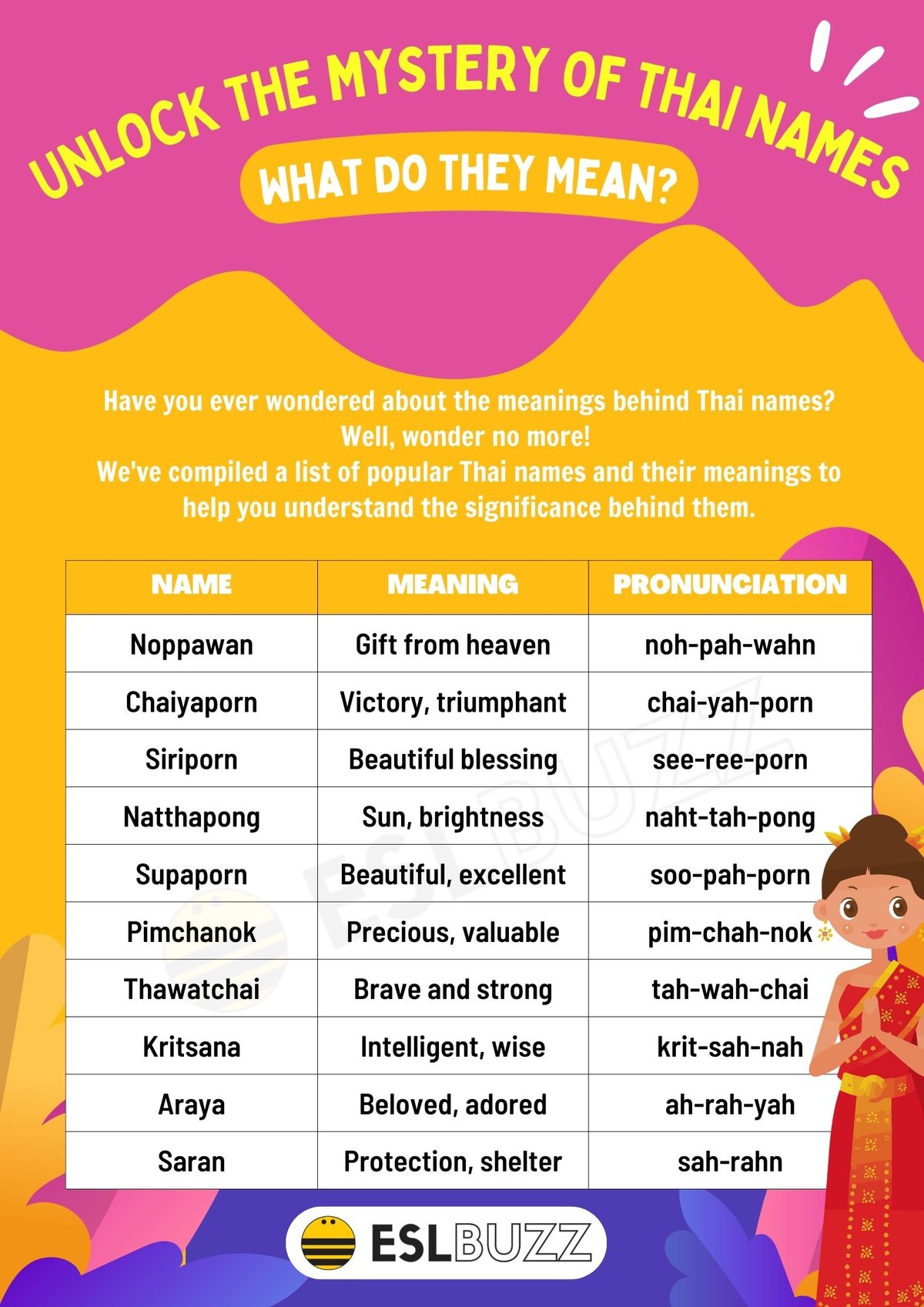
Thai Names: Harmony, Spirituality, and Royal Lineage
Thailand, the only Southeast Asian nation never colonized by a European power, boasts a unique cultural heritage deeply influenced by Theravada Buddhism and its long-standing monarchy. Thai names, for both individuals and places, often reflect this spiritual depth, reverence for tradition, and a strong connection to nature.
The Thai language itself is a Sino-Tibetan language, and its phonetics are distinct. Place names often have poetic or descriptive origins, frequently relating to:
- Buddhist Concepts: Incorporating words related to enlightenment, peace, or sacred sites.
- Royal Associations: Names that pay homage to kings, queens, or royal decrees.
- Geographical Features: Referring to mountains, rivers, plains, or the sea. For instance, "Phuket" likely derives from a word meaning "mountain" or "hill." "Ayutthaya," the former capital, evokes grandeur and history.
- Natural Beauty: Names highlighting the lushness of the land or specific flora and fauna.
Thai names can sometimes be quite long, especially for cities and provinces, often containing multiple descriptive elements that combine to form a unique identity. The capital, Bangkok, is officially known by a ceremonial name that is one of the longest place names in the world, starting with "Krung Thep Maha Nakhon..."
A Thai name generator will strive to create names that resonate with these cultural markers: - Syllabic Flow: Producing names with a distinct Thai cadence and pronunciation style.
- Evocative Meanings: Though not always explicitly translated, the names should feel like they could carry a deeper, spiritual, or descriptive meaning.
- Sense of Place: Suggesting a connection to the serene temples, bustling markets, or natural wonders of Thailand.
When you encounter names like "Chiang Mai" (New City) or "Pattaya" (Southwest Monsoon Wind), you're experiencing a naming tradition that is both ancient and vibrant. A generator provides an entry point into this rich linguistic world, allowing your fictional settings to feel imbued with the grace and majesty that are characteristic of Thailand.
Beyond the Click: Maximizing Your Name Generator Experience
Using a name generator is simple, but getting the most out of it for your creative project involves a thoughtful approach. It’s not just about hitting a button; it’s about engaging with the suggestions and understanding how to adapt them to truly fit your vision.
How to Navigate the Generator with Purpose
The core functionality of these tools is incredibly user-friendly. You typically encounter a prominent "Generate" or "Refresh" button.
- Click and Observe: Your first click will present a batch of names. Don't just dismiss them out of hand.
- Scan for Vibe: Read through the names, letting them roll off your tongue (or at least your inner voice). Does any particular name feel right for your setting? Does it evoke the right atmosphere—ancient, modern, bustling, serene, mysterious?
- Consider Suitability: Think about the specific context. Is this for a grand capital city, a humble farming village, a hidden temple, or a treacherous mountain pass? A name like "Ubon Ratchathani" (a Thai name meaning "Royal City of Lotuses") might be perfect for a significant regional hub, while "Pulilan" (a Filipino name, possibly related to "pulo" or island) could suit a smaller, more intimate settlement.
- Click Again: If the initial suggestions aren't suitable, simply click the button again. The generator will provide a fresh set of random names, drawing from its database to offer new combinations and inspirations. Repeat this process as many times as needed. The beauty of it is the endless supply of possibilities.
Strategies for Adaptation and Refinement
Rarely will a generated name be an absolute, perfect fit straight out of the box. Think of the generator as a starting point, a wellspring of ideas to build upon.
- Combine Elements: Perhaps you like the first half of one name and the second half of another. Don't hesitate to combine them! "Tala-" from a Filipino name could merge with "-long" from a Vietnamese suggestion to create something unique yet familiar.
- Add Local Flavor: If your fictional world has specific linguistic quirks or cultural naming conventions, use the generated name as a base. Add a prefix, a suffix, or a descriptive adjective in your world's "language."
- Modify for Sound: Sometimes a name is almost perfect, but one syllable just doesn't quite work. Gently tweak it. Change a vowel, soften a consonant. The goal is to make it sound natural within your context.
- Iterate and Refine: Keep a running list of names you like. You might generate 50 names and only save 5, then go back to those 5 and refine them further. This iterative process is key to finding the truly exceptional names.
Pitfalls to Avoid for Truly Authentic Crafting
While name generators are powerful tools, a few considerations will ensure you maintain cultural respect and narrative integrity:
- Avoid Generic Choices: Don't just pick the first name that pops up if it doesn't truly resonate. The goal is authenticity, not just a placeholder.
- Cultural Insensitivity (Without Context): While the names sound authentic, using them without any understanding of the broader cultural context can feel hollow. For instance, naming a grim, war-torn city "Sukhothai" (meaning "Dawn of Happiness" in Thai) without irony or narrative justification might feel off. A little research into the type of names prevalent in your chosen region will go a long way.
- Overlooking Meaning: While you don't need to know the literal translation of every generated name, being aware that many real Southeast Asian names do carry meaning should inspire you. If you find a name you love, a quick search for its linguistic roots (if discernible) can add even deeper layers to your fictional setting.
By approaching the generator as a collaborative partner in your creative process, you move beyond mere name generation to true identity crafting.
Crafting Authenticity: More Than Just Words on a Map
The true power of using a specialized name generator lies in its ability to imbue your fictional worlds with an immediate and palpable sense of authenticity. It’s not just about having a name; it’s about having a name that tells a story, even before your characters set foot in the place.
Why Authenticity Elevates Your Story
- Deep Immersion: A well-chosen, culturally resonant name instantly draws your audience deeper into your world. They don't have to suspend disbelief as much if the names feel real and grounded.
- World-Building Economy: An authentic name can communicate so much with so little effort. "Palawan" (a Philippine island known for its natural beauty) evokes a different feeling than "Borneo," even if both are islands. These nuances add richness without needing lengthy descriptions.
- Cultural Respect: For an audience familiar with Southeast Asian cultures, using names that genuinely reflect the region demonstrates care and respect for their heritage, making your world feel more credible and thoughtfully constructed.
- Sparking Imagination: For an unfamiliar audience, these names act as gateways to learning. They hint at a world beyond their own, encouraging curiosity and deeper engagement with your narrative.
Connecting Names to Place, Character, and Lore
Once you have a generated name you like, don't stop there. This is where your creativity truly shines:
- Geography: Does the name sound like it belongs to a mountain village, a coastal port, or a river delta town? Let the name inform your geographical descriptions. A name with a "thani" (Thai for city/town) might imply a larger settlement, while a name ending in "-og" or "an" (common in Filipino place names) could suggest a smaller, indigenous community.
- History & Lore: What kind of history would a place with this name have? Did "Kampong Speu" (Cambodian, possibly related to "starfruit village") once thrive on fruit cultivation? Did a war-torn "Vĩnh Long" (Vietnamese, meaning "eternal prosperity") strive for peace after conflict? Let the name be a prompt for developing backstories.
- Character Connections: How do characters from this named place speak? What are their customs? The name of their home can subtly influence their identity and worldview.
- Symbolism: If you discover a potential meaning or linguistic root for a generated name, consider weaving that symbolism into your narrative. For instance, if a name hints at "water" or "forest," perhaps the town has a special relationship with that element.
By taking these extra steps, you transform a randomly generated sequence of letters into a cornerstone of your fictional world. You're not just naming places; you're cultivating identities that resonate with history, culture, and profound meaning, creating a narrative experience that is truly unforgettable.
Frequently Asked Questions About Southeast Asian Names & Generators
Crafting names for your creative projects often raises practical questions. Here are some common inquiries about Southeast Asian name generators and the names they produce:
Are these names truly authentic, or just made-up?
They are a blend of both. Generators are typically designed to provide names that are authentic-sounding or inspired by real-world naming conventions, linguistic patterns, and geographical references from Southeast Asian countries. While they might not always be direct copies of existing towns (though some might coincidentally appear), they adhere to the phonetic and structural rules that make names feel genuinely "of the region." The aim is to provide credible options for fictional worlds.
Can I use these generated names for real people?
It is generally not recommended to use names generated for fictional places on real people, especially without thorough research into the name's meaning, commonality, and cultural significance. Place names often follow different conventions than personal names. For naming fictional characters, a dedicated character name generator for specific ethnicities would be more appropriate. For real people, always consult with individuals from the respective culture or reliable cultural naming guides.
How many names can I generate in one session?
Most online name generators offer unlimited generations. You can click the "Generate" or "Refresh" button as many times as you like, receiving a new batch of names with each click until you find one that suits your needs.
What if I don't like any of the names the generator provides?
That's perfectly normal! Simply click the "Generate" button again. The generator will produce a fresh set of names. Keep trying until you find one (or several) that spark your imagination. Remember, you can also use parts of generated names, combine elements from different suggestions, or use them as a springboard for your own creative modifications.
Do the generated names come with their meanings?
Typically, basic generators for place names do not provide direct translations or meanings for each generated name. Their primary function is to offer authentic-sounding options. If you're interested in potential meanings, you might try searching for common linguistic roots or existing town names from the region that share similar components. However, for fictional use, the feel and sound of the name often take precedence over a literal translation.
Can I specify which country's names I want to generate?
Some more advanced generators may offer filters to specify a particular country (e.g., only Filipino names or only Vietnamese names). Simpler generators, like the one described, might offer a diverse mix from several countries in each batch. Check the generator's interface for any country-specific options.
Are these names suitable for fantasy settings, or only realistic ones?
These names are highly versatile! While they draw from real-world Southeast Asian cultures, their evocative nature makes them excellent for fantasy settings. A generated name can make an elven city or a dwarven stronghold feel uniquely distinct from typical Western European fantasy tropes, adding a fresh, intriguing layer to your world. The key is to select names that fit the specific tone and lore of your fantasy realm.
Your Journey to a Richer Narrative Begins Here
Crafting compelling stories and immersive worlds demands attention to detail, and few details are as crucial as names. A name isn't just a label; it's a foundation, a descriptor, and a vessel for meaning that can resonate deeply with your audience. With the power of Southeast Asian Name Generators (Filipino, Vietnamese, Thai) at your fingertips, you gain an invaluable resource for infusing your creative projects with an authenticity that truly sets them apart.
Whether you're mapping out a sprawling fantasy epic, outlining a historical fiction novel, or designing the next great role-playing adventure, these tools offer a direct pathway to names that echo the majestic landscapes, profound histories, and vibrant cultures of Southeast Asia. No more struggling with generic placeholders or culturally ambiguous terms. Instead, you can confidently choose names that sound indigenous, feel historical, and speak volumes about the places they represent.
So, take that first click. Explore the possibilities. Let the harmonious sounds of Vietnamese, the melodic cadence of Filipino, and the spiritual echoes of Thai names inspire your next masterpiece. Your journey to a richer, more authentic narrative starts now, with the perfect name waiting to be discovered.